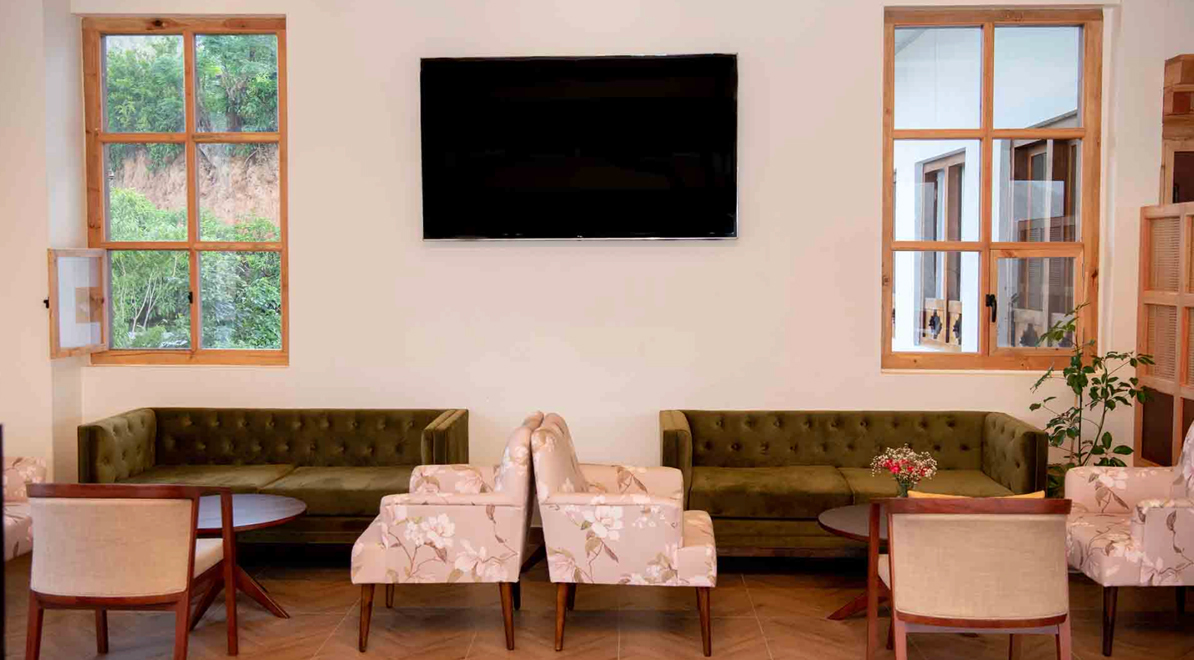
Jattu
Wood
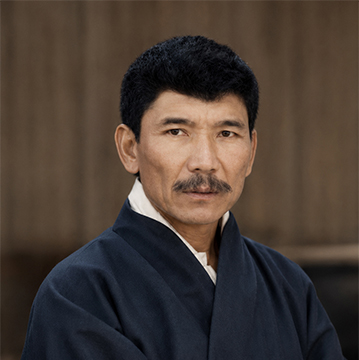
Jattu Dukpa
Born in 1945, Jattu Dukpa began his journey at the age of eleven, studying as a Lhadip (Bhutanese traditional painter) at Dechencholing Palace. Early exposure to traditional art and discipline shaped his understanding of detail, patience, and craftsmanship.
By fourteen, he entered the field of carpentry during the renovation of Tashichho Dzong, where he developed practical skills that would define his career. At fifteen, he was sent to India to train as a sawmill operator, returning to Bhutan at seventeen to take on the responsibility of leading transport and sawmill operations for the same national project. His early leadership reflected both technical expertise and a strong work ethic.
Between the ages of fourteen and twenty-two, his experience with HNK Company played a key role in refining his skills and deepening his knowledge of the trade. At twenty-two, he made the decision to leave his government position.
In 1967, at the age of twenty-three, he established his own company—now widely known across Bhutan as Jattu. With the support of the Bank of Bhutan, he founded one of the country’s first furniture and sawmill factories at Dungkhor Lam, laying the foundation for what would become a respected name in Bhutanese craftsmanship.
"His work was defined by precision, resilience, and a deep respect for both material and tradition. Today, his legacy continues to stand as a symbol of quality and dedication."

Tandin Bidha
At the age of twenty-three, Tandin Bidha became part of the business, stepping in at a time when her father was managing both a growing company and a large family. As one of five siblings, she made the decision to leave her studies and support the business, taking on responsibility with a strong sense of commitment.
She was later entrusted with overseeing the furniture factory in Phuentsholing, where she played a key role in expanding the company’s operations. Through years of hands-on experience, she carried forward the values instilled by her father—hard work, consistency, and discipline.
Under her leadership, the business evolved to meet changing times. She introduced more modern furniture designs while maintaining the essence of Bhutanese craftsmanship, blending tradition with contemporary form. This balance has become a defining characteristic of the company, known today for both its design and the quality of its products.
Looking ahead, her vision is to take the company beyond Bhutan, expanding into an international presence while preserving the story and legacy of Jattu for future generations.